Pre-workout and caffeine: a practical safety guide (18+)
Most pre-workouts are built around caffeine. Learn how much is in a serving, the EFSA safety limits for healthy adults, how to use one sensibly and when a stim-free option makes more sense.
5 min read
In this article
Pre-workout drinks are popular with people who train early in the morning or after a long day at work. Most of them are built around caffeine, and caffeine adds up faster than many people realise. This guide explains what is in a typical formula, how much caffeine is considered safe for healthy adults and when a stimulant-free option is the better choice – and it is written for adults only, because products with added caffeine are strictly 18+.
What is in a typical pre-workout
Formulas vary, but most are built from a handful of familiar ingredients:
- Caffeine – the stimulant, and the most important number on the label.
- Citrulline, often as citrulline malate – the classic ingredient of "pump" formulas, usually several grams per serving.
- Beta-alanine – known for a temporary tingling or pins-and-needles feeling on the face, neck or hands (paraesthesia) that fades within about an hour.
- Other ingredients – betaine, taurine, tyrosine, B vitamins, sweeteners, flavourings and colours.
Be wary of proprietary blends, which give one total weight for several ingredients without saying how much of each is inside. If the caffeine is hidden in a blend, you cannot judge your dose. Choose products that state the caffeine per serving clearly – in the EU, supplements with added caffeine must carry the warning "Contains caffeine. Not recommended for children or pregnant women" together with the amount.
How much caffeine is too much?
Caffeine has no authorised health claim, but EFSA, the European Food Safety Authority, has assessed its safety. For healthy adults:
- Up to 400 mg a day from all sources does not raise safety concerns.
- Single doses of up to 200 mg (about 3 mg per kg for a 70 kg adult) do not raise safety concerns, even when taken less than two hours before intense exercise.
- During pregnancy and breastfeeding the limit is lower – up to 200 mg a day from all sources – and pre-workout products are not suitable at all.
- Close to bedtime, even 100 mg can affect sleep in some adults.
Now compare that with everyday amounts:
- a cup of coffee: about 80–100 mg, sometimes more
- a 250 ml energy drink: about 80 mg
- a cup of black tea: about 40–50 mg
- a can of cola: about 30–40 mg
- one full serving of many pre-workouts: 150–300 mg
A full serving of a strong pre-workout can exceed the 200 mg single-dose level on its own, and two coffees plus that serving can take you past 400 mg before lunch.
How to use a pre-workout sensibly
- Start with half a serving. Sensitivity to caffeine varies a lot, so see how you respond before trying a full scoop.
- Never exceed the daily dose on the label, and don't take a second serving on the same day.
- Don't combine it with energy drinks, caffeine tablets or other stimulant products.
- Watch the clock. Caffeine's half-life is around five hours in most adults, so avoid caffeinated products within about six hours of bedtime.
- Have a light snack beforehand if caffeine on an empty stomach leaves you feeling unsettled.
Stim-free options
If you are sensitive to caffeine, train in the evening or simply prefer to keep your morning coffee as your only source, a stimulant-free pre-workout is the obvious alternative. These formulas contain no caffeine and usually centre on citrulline and similar ingredients. If what you are after is better performance in repeated high-intensity efforts, creatine is the ingredient with an EU-authorised claim – see our creatine guide.
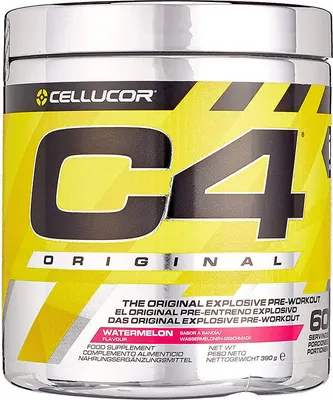
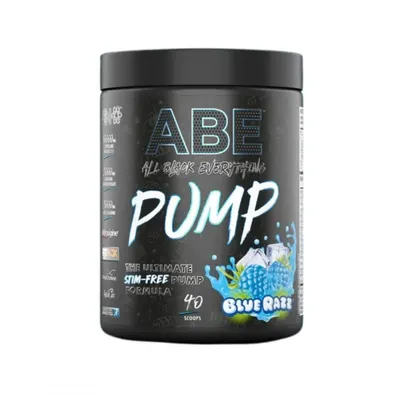
Below you will find a classic caffeinated formula (18+) next to a stim-free alternative:
Browse the full pre-workout range, the wider pre-workout and energy section, or caffeinated products in energy and caffeine.
Hydration comes first
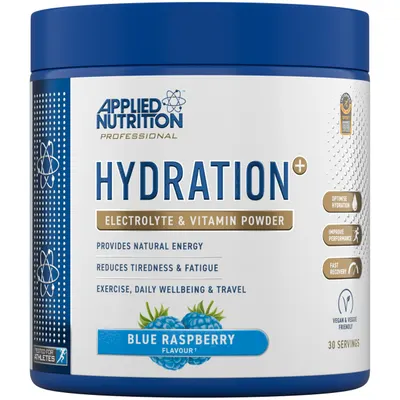
No pre-workout makes up for training while dehydrated. Drink regularly through the day, and for sessions longer than about an hour – or hot Bulgarian summer afternoons – consider a drink with carbohydrates and electrolytes. Carbohydrate-electrolyte solutions that meet the EU composition criteria contribute to the maintenance of endurance performance during prolonged endurance exercise and enhance the absorption of water during physical exercise. Check the label to see whether a product carries these claims and follow its directions, as part of a varied, balanced diet. For long sessions, a carbohydrate gel without caffeine gives you fuel without adding to your daily caffeine total.
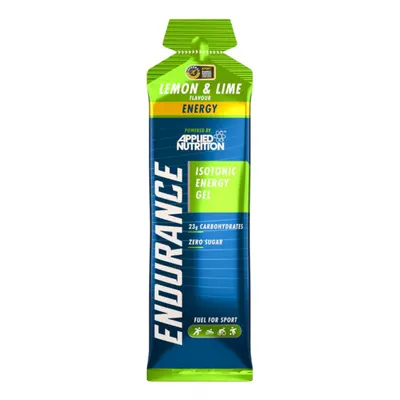
You will find more in electrolytes and carbohydrates and on our energy and endurance goal page.
When to talk to a doctor first
Ask your doctor or pharmacist before using a caffeinated pre-workout if you have a heart condition or high blood pressure, take regular medication or have any other health condition. Stop and seek advice if you notice a racing or irregular heartbeat, chest pain, dizziness or strong anxiety after taking one. Pregnant or breastfeeding women and anyone under 18 should not use these products.
Frequently asked questions
How much caffeine is in a pre-workout?
Most contain 150–300 mg per full serving, but it varies widely between products. The label must state the caffeine content, so always check it before your first scoop.
Can I drink coffee on the same day as a pre-workout?
Yes, as long as your total from all sources stays within 400 mg a day. Leave a few hours between your coffee and your pre-workout so the doses do not stack.
Is the tingling from a pre-workout a problem?
The tingling usually comes from beta-alanine and is a known, temporary effect that fades within about an hour. If you find it unpleasant, take a smaller serving or choose a formula without beta-alanine.
Can teenagers use pre-workouts?
No. Products with added caffeine are for adults (18+) only. Younger athletes should focus on regular meals, enough fluids and good sleep instead.
This information is for general education and does not replace advice from a doctor or pharmacist. Food supplements are not a substitute for a varied, balanced diet and a healthy lifestyle. Do not exceed the recommended daily dose.