Creatine monohydrate: what it does, how to take it and the common myths
Creatine monohydrate is one of the most researched supplements in sport. Here is what it does, how much to take, whether loading is worth it and which popular myths you can ignore.
In this article
Creatine monohydrate is one of the most thoroughly researched supplements in sports nutrition and one of the few with an EU-authorised health claim. It is also surrounded by myths about water, kidneys, loading and timing. Here is what it actually does, how to take it and which worries you can set aside.
What creatine is
Creatine is a compound your body makes from three amino acids – arginine, glycine and methionine – mainly in the liver and kidneys. About 95% of it is stored in your muscles, much of it as phosphocreatine, which helps regenerate ATP, the molecule muscles rely on for energy during short, hard efforts.
You also get creatine from food. Red meat and fish are the main sources, and a typical mixed diet provides around 1 g a day, with your body making roughly the same amount again. Vegetarians and vegans get very little from food, so their muscle stores tend to start lower.
What creatine does: the authorised claim
Under EU rules, creatine increases physical performance in successive bursts of short-term, high-intensity exercise. The beneficial effect is obtained with a daily intake of 3 g of creatine. In practice that means repeated sets in the gym, sprints, interval sessions and team sports such as football or basketball – not long, steady endurance training.
Creatine works by gradually topping up your muscle stores, so it is not something you feel within minutes, the way people describe caffeine. It supports good training; it does not replace it. A varied, balanced diet, enough sleep and a sensible programme remain the foundation – our muscle mass page covers the bigger picture.
How to take it
- Take 3–5 g a day, every day, including rest days. At this dose your muscle stores are full after about three to four weeks.
- Loading is optional. Some people take around 20 g a day, split into four doses, for 5–7 days, then drop to 3–5 g. It fills your stores faster but is more likely to upset your stomach, and you end up in the same place a few weeks later. Only load if your product's label describes it.
- Timing is flexible. Before or after training, morning or evening – consistency matters far more than the clock. Taking it with a meal or your protein shake makes it easy to remember.
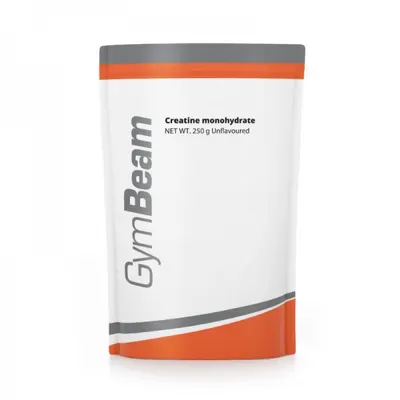
- Mix it with anything. Water, juice, a shake or yoghurt all work. Unflavoured monohydrate has almost no taste.
- No need to cycle. Studies of daily use over many months have not found a reason to take regular breaks.
Monohydrate or the "advanced" forms?
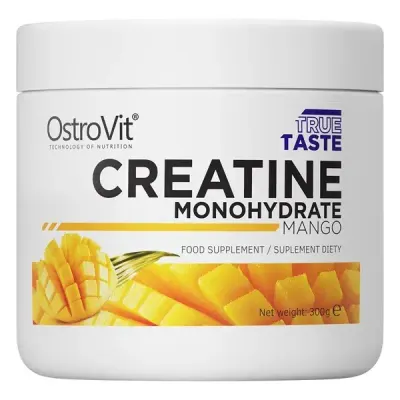
You will also see creatine HCl, ethyl ester, buffered creatine and creatine nitrate, often with smaller doses and bolder marketing. Nearly all of the research – including the evidence behind the EU claim – uses creatine monohydrate, and no other form has been shown to work better.
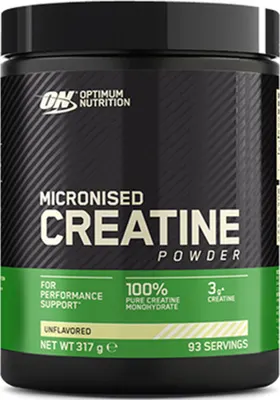
Micronised creatine is simply monohydrate milled into finer particles, so it dissolves more easily and feels less gritty. Creapure is a trademarked monohydrate made in Germany to a specific purity standard; products that use it say so on the label. Beyond that, compare the serving size, the number of servings per tub and whether you prefer it flavoured or unflavoured.
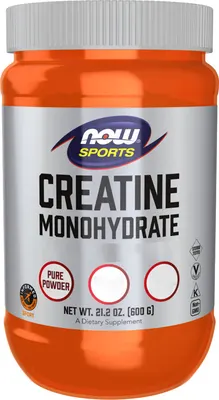
Browse all creatine monohydrate or the wider creatine range.
Myths and facts
"Creatine makes you bloated"
Partly true. Creatine draws water into your muscle cells, so your weight may go up by a kilo or so in the first weeks, especially if you load. That is water inside the muscle, not fat, and it is not the same as the puffy look people worry about.
"You need to drink litres of extra water"
You don't need huge amounts. Drink regularly through the day and a little more in hot weather or during long sessions. If you sweat heavily in the Bulgarian summer, an electrolyte drink can be a practical addition.
"Creatine is bad for your kidneys"
Studies in healthy adults taking the usual doses have not shown harm to kidney function. Creatine can, however, raise creatinine – a marker used in routine blood tests – so tell your doctor you take it before any blood test.
"It's only for bodybuilders"
Creatine is relevant to anyone doing repeated high-intensity efforts, from sprinters and footballers to people who enjoy circuit training, whether or not they want bigger muscles.
Safety notes
Stick to the daily dose on the label and remember that supplements do not replace a varied diet and a healthy lifestyle. Creatine products are intended for adults. If you are pregnant or breastfeeding, take regular medication or have a health condition – particularly one affecting your kidneys – talk to your doctor or pharmacist before you start.
Frequently asked questions
Do I have to take creatine before a workout?
No. Timing makes little difference; what counts is taking it every day so your muscle stores stay full.
Can I take creatine with coffee or a pre-workout?
Yes, most people can. Just count the caffeine from everything you take – our pre-workout and caffeine guide explains the limits.
How long before I notice a difference?
With 3–5 g a day, muscle stores are usually full after three to four weeks; with a loading phase, after about a week. Any effect shows up in repeated hard efforts, such as the later sets of a workout.
Is creatine suitable for vegetarians and vegans?
Creatine monohydrate powder is made synthetically rather than from animal sources, so it generally suits both. If you choose capsules, check the shell, as some contain gelatine.
This information is for general education and does not replace advice from a doctor or pharmacist. Food supplements are not a substitute for a varied, balanced diet and a healthy lifestyle. Do not exceed the recommended daily dose.