How to choose a protein powder: whey, isolate, casein or plant
Concentrate, isolate, casein, plant or gainer? Find out how much protein you really need, what each type is best for and how to compare labels so you pick the right powder.
In this article
Protein powder is the most popular supplement in almost every gym, and also the one with the widest choice: concentrate or isolate, dairy or plant, a lean shake or a calorie-dense gainer. The decision gets much easier once you know how much protein you actually need and what each type does best. This guide covers both, plus how to read a label so you compare like with like.
Why protein matters when you train
Protein supplies the amino acids your body uses to build and repair tissue, including muscle. Under EU rules, protein contributes to a growth in muscle mass, contributes to the maintenance of muscle mass and contributes to the maintenance of normal bones. These effects come from your total daily intake as part of a varied, balanced diet and an active lifestyle – a shake is simply a convenient, measurable way to top up your meals.
A powder makes sense when you struggle to reach your target from food or need something quick around training. If you already eat plenty of eggs, meat, fish, beans and dairy – Bulgarian yoghurt and white cheese both count – it is optional.
How much protein per day?
The general reference intake for adults in the EU is about 0.83 g of protein per kilogram of body weight. People who train regularly usually aim higher: sports nutrition guidelines commonly suggest 1.2–2 g per kg per day, with the upper end suited to hard strength training or periods of eating fewer calories. For a 75 kg person that is roughly 90–150 g a day.
Spread it out. Most people do well with 20–40 g per meal across three to five meals, rather than one huge portion at dinner. A typical scoop of powder provides 20–25 g.
The main types of protein powder
Whey concentrate
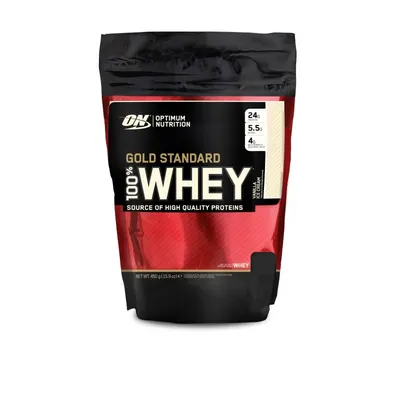
Made from milk, whey concentrate usually contains around 70–80% protein, plus a little lactose and fat that give it a creamy taste. It mixes easily with water or milk and is the everyday choice for most people. See our whey protein range.
Whey isolate and hydrolysate
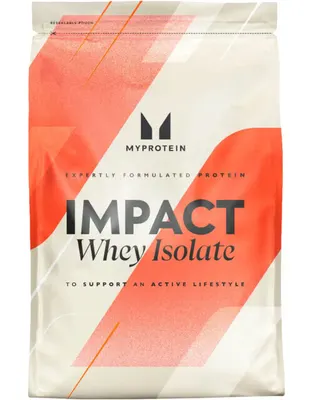
Isolate is filtered further to about 90% protein, with less fat and carbohydrate and usually very little lactose. If ordinary dairy leaves you bloated, a protein isolate is often easier on the stomach – but it is not always lactose-free, so check the label if you are sensitive. Hydrolysate is partly pre-digested; it tastes more bitter and, for most people, offers no practical advantage.
- New
Casein
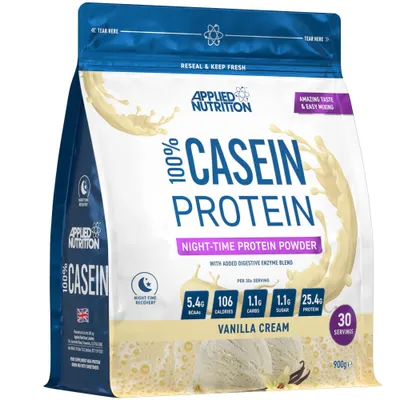
Casein is the other milk protein. It thickens in the stomach and is digested slowly, so many people use it before bed or ahead of a long gap between meals. Micellar casein also makes a thick, pudding-like snack if you mix it with less liquid.
Plant protein
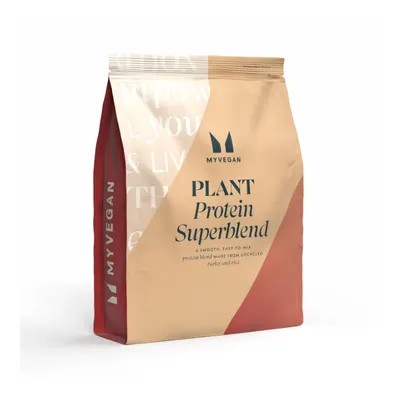
Pea, rice, soya and other plant proteins suit vegans and anyone avoiding dairy. Blends combine several sources, so the amino acid profile is more complete than that of any single plant. Expect a slightly earthier taste and texture.
Gainers
A gainer is mostly carbohydrate with some protein and suits naturally slim people who find it genuinely hard to eat enough. It is not a better protein, just more calories.
How to compare labels
Two similar-looking tubs can differ a lot. Check these points:
- Protein per 100 g. This gives the real percentage: a 30 g scoop with 21 g of protein is 70% protein.
- Serving size. Brands use different scoop sizes, so compare per 20 g of protein rather than per scoop.
- Amino acid profile. A good label lists amino acids per serving. Whey typically provides 2–3 g of leucine per serving; an unusually low figure can mean cheaper amino acids were added to inflate the protein number.
- Sweeteners and flavour. Most powders use sucralose, acesulfame K or stevia; unflavoured versions exist too.
- Allergens. Milk, soya and other allergens are shown in bold in the ingredients list.
When to take it
Timing matters much less than your daily total. A shake after training is convenient because it is quick and light on the stomach, and breakfast is another good slot if your morning meal is low in protein. Casein before bed helps you reach your target, and protein bars are handy on the move. If you also take creatine, you can mix both in the same shake.
Common mistakes to avoid
- Replacing meals with shakes. Powder tops up a diet; real food also brings fibre, vitamins and minerals.
- One giant dose. Beyond about 40 g at once, the extra mostly becomes extra calories.
- Buying a gainer when you only wanted protein. Check the carbohydrate and calorie figures first.
- Forgetting the basics. Training, sleep and total food intake matter far more than the brand. Our muscle mass page brings the essentials together.
Use protein powder as directed on the label, alongside rather than instead of a varied diet. If you are pregnant or breastfeeding, take medication or have a kidney condition, ask your doctor or pharmacist first.
Frequently asked questions
Can I take whey if dairy upsets my stomach?
Many people who are sensitive to lactose get on well with whey isolate, because it contains very little lactose. If even small amounts bother you, a plant protein is the simplest choice.
How many shakes a day is too many?
Most people need one, occasionally two. If powder provides more than about a third of your daily protein, it is worth adding more protein-rich meals instead.
Will protein powder make me bulky?
Not on its own. Protein contributes to a growth in muscle mass, but how much muscle you build depends on your training, your total calories and your genetics.
Should I take protein on rest days?
Yes. Your daily target stays the same on rest days, so simply fit the shake in wherever it suits you.
This information is for general education and does not replace advice from a doctor or pharmacist. Food supplements are not a substitute for a varied, balanced diet and a healthy lifestyle. Do not exceed the recommended daily dose.